
Screens are Soothing
Tech is self medicating

“For any youth using screen time to de-stress, the risk is that he/she/they aren’t getting the kind of conversation and interaction with parents, friends, or family that help develop the self-regulation skills and social and emotional insights they need.
The more they depend on their computers to cope with underlying, often unidentified problems, the greater the chances their dependency can turn into an addiction.”
Dr. Larry Rosen

Make a list about what we can do to relax besides technology or what to do instead of technology. Make a box, or have a shelf of creative activities.

Research psychologist Dr. Larry Rosen says that smartphone addiction is “really not addiction: it’s an anxiety-based disorder” “We’re not checking in to get pleasure. We’re checking in to remove anxiety.”

Teach to self soothe/self validate and express emotions.
Have faith in ability to cope.
What do you feel when on and when off device?
You are feeling bored right now, lets talk about what you could choose to do.

Youchooz
Empower kids to think before they send.

Tools & Tips

In Charge Box
A lock box for devices.
Create Healthy Boundaries with Screentime
The Brick
A physical device that temporarily removes distracting apps & notifications from your phone. Designed for simplicity. No subscriptions. No complex setups. Just more time for what matters.

Videos
Online Exploitation
Cyber tip
Canada’s national tipline for reporting the online sexual exploitation of children
“In 2022, B.C. RCMP dealt with 9,600 cases. In the first three months of this year alone, there were 5,790 cases.
Statistics Canada says 7,743 children in Canada were confirmed to be victims of online sexual violation between 2014 and 2020.
The perpetrators are hard to find — and even more difficult to prosecute.”
-Vancouver Sun
The unit that investigates online child exploitation in B.C. says it has noticed a dramatic rise in reports of the crime in 2023 and is advising children and caregivers to be vigilant.
The B.C. RCMP Integrated Child Exploitation (ICE) unit says it has received 5,790 reports of online child exploitation from Jan. 1 until March 31 this year — already more than half the entire number of the previous year.
Adolescent Hub
The Daniel Morcombe Foundation Adolescent Hub is a trusted set of youth-informed resources designed to help young people aged 13–15 recognise online harm, respond safely, and get support. It includes short videos and practical guidance for young people, parents and carers, and educators to respond to serious online harms, including sextortion and AI-generated image abuse.
Childline
Report Remove
Report Remove is here to help young people under 18 in the UK to confidentially report sexual images and videos of themselves and remove them from the internet.
The Other Screen Time Risk We Rarely Hear About
How Screen Time Affects Childhood Development
Articles
Smartphone addiction, sleep quality, depression, anxiety, and stress among medical students
How Big Tech Uses Queer Kids
As A Shield
Smartphone Ownership, Age of Smartphone Acquisition, and Health Outcomes in Early Adolescence
read more
Resources for Support
Unplugged Canada
Education, resources, advocacy and community for parents navigating smartphone use for children.
The Screenagers Blog
Information about cell phones and other relevant data for prevention of harmful technology use
Canada’s National
Tip Line
For Reporting the Online Sexual Exploitation of Children
Rehab Spot
Rehab options
Better Screen Time
In my opinion, the best online course for managing screen time.
START
An excellent resource for parents so that they can manage their homes digital technology for the best interest of the entire family
Centre for Humane Technology
Tips for how to use technology
and not let it use you
Phone Breakup
How to break up
with your phone
Safer Schools Together
A series highlighting the rapid advancements and challenges in the fields of mental health, social media, and artificial intelligence
The Center on Media and Child Health
Features a Mediatrician who can answer questions about media
Commonsense Media
A great resource to look up
age appropriate movies,
tv shows, apps etc.
Family Media Use Plans
Very helpful in setting limits and finding balance around technology. Includes plan examples
Books

Kids, Sex and Screens
by Jillian Roberts, Ph.D – Family Sparks Victoria, BC
A compassionate, practical guide for parents navigating the complex world of raising children in the digital age. Dr. Jillian Roberts, child psychologist and founder of Family Sparks in Victoria, BC, offers clear, age-appropriate advice on how to talk to kids about sex, safety, and screen use. With warmth and expertise, she empowers families to foster healthy communication, build resilience, and create a safer online experience for their children.
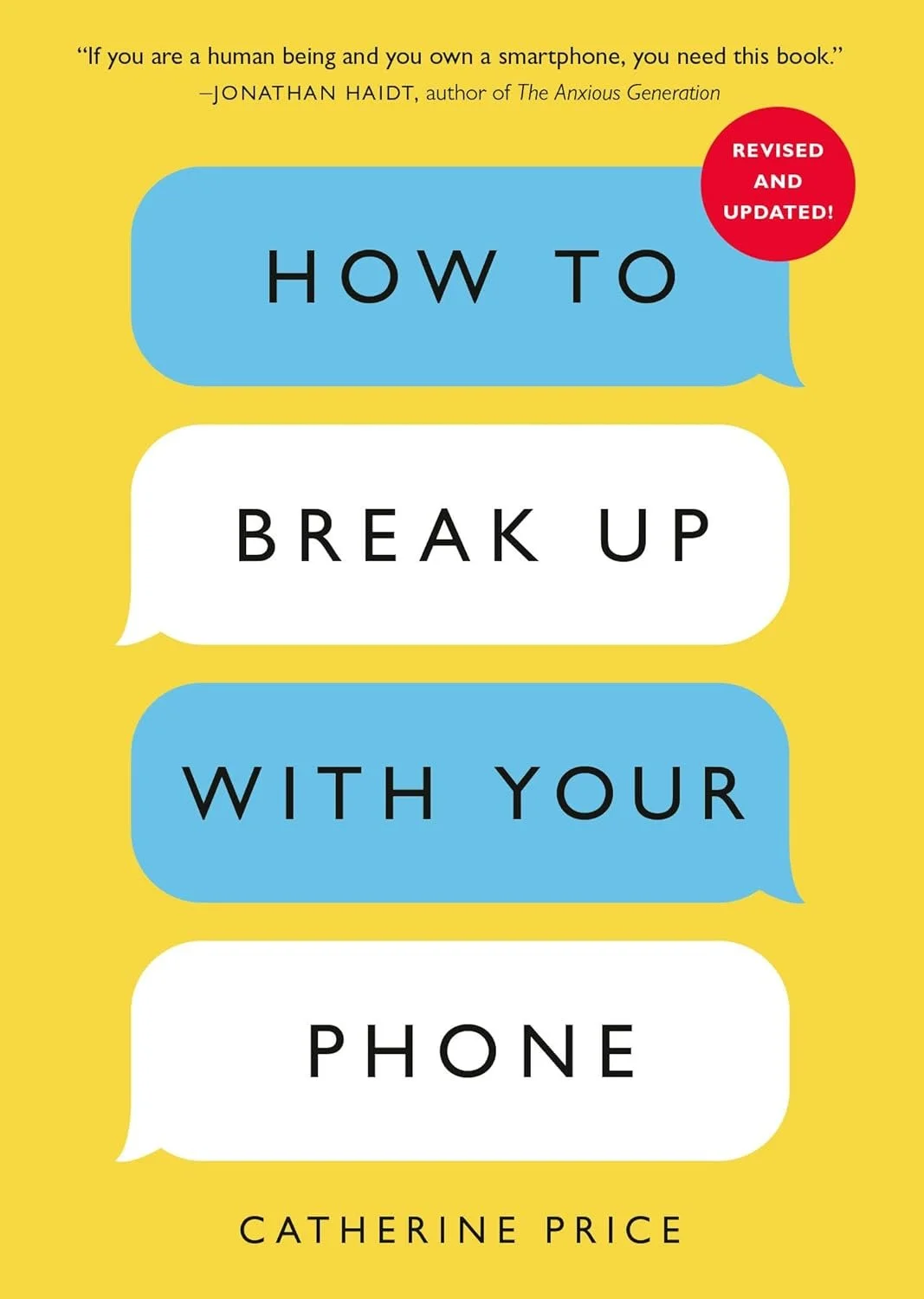
How to Break Up with Your Phone
by Catherine Price
Do you feel addicted to your phone? Do you frequently pick it up “just to check,” only to look up forty-five minutes later wondering where the time has gone? Does social media make you anxious? Have you tried to spend less time mindlessly scrolling—and failed? If so, this book is your solution.
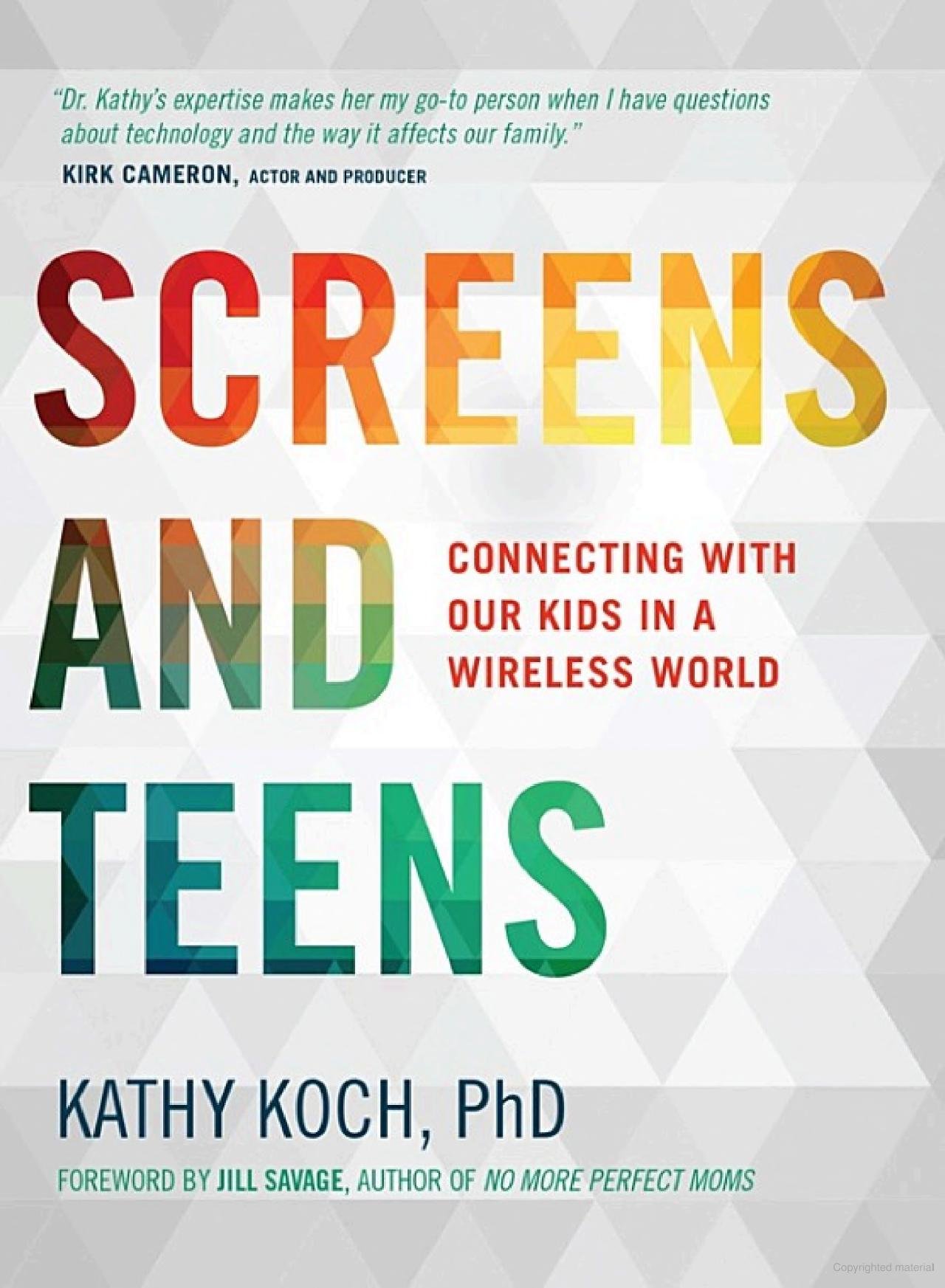
Screens and Teens
by Kathy Koch, PhD
Helps parents and educators understand how technology is shaping today’s youth—and what they can do about it. Dr. Kathy Koch offers insightful guidance on the emotional, relational, and spiritual impact of screens, providing practical strategies to help teens develop healthy habits, strong identities, and meaningful connections in a digital world.

Girls and Sex
by Peggy Orenstein
An eye-opening look into the modern sexual lives of teenage girls. Drawing on in-depth interviews, Peggy Orenstein explores the pressures, expectations, and realities young women face today. With honesty and empathy, she sheds light on the challenges of growing up in a culture saturated with mixed messages about sex, power, and self-worth.
Unplug: How to Break Up with Your Phone and Reclaim Your Life
by Richard Simon
In Unplug, Richard Simon lays out a plan to detox from your phone, including things to do with your newfound time, lightly reintegrating a smartphone into your life, and finally, helping others quit. These tips and strategies are interspersed with success stories, including Simon’s own story of turning off his phone for a whole year, plus those of 25 others, including a professional baseball player (Nick Castellanos), a cable news host (Steve Hilton), as well as ordinary folks including a principal, a pastor, and a couple who quit their phones together.
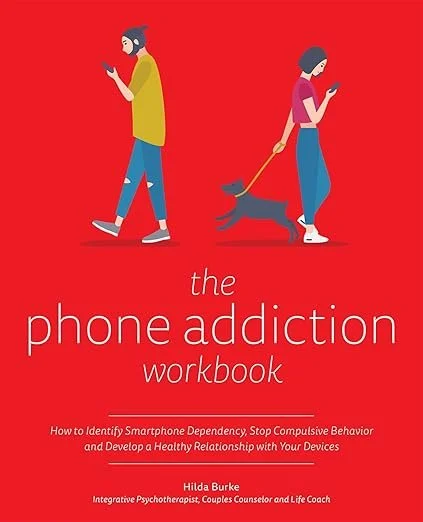
The Phone Addiction Workbook: How to Identify Smartphone Dependency, Stop Compulsive Behavior and Develop a Healthy Relationship with Your Devices
by Hilda Burke
Your smartphone is a powerful device that has fundamentally changed your life—no doubt improving it in many ways. And while you don’t need to give up your smartphone completely, if your day to day is filled with endless, anxiety-inducing checking, swiping and liking, then you need this helpful, step-by-step workbook to take back control of your life.
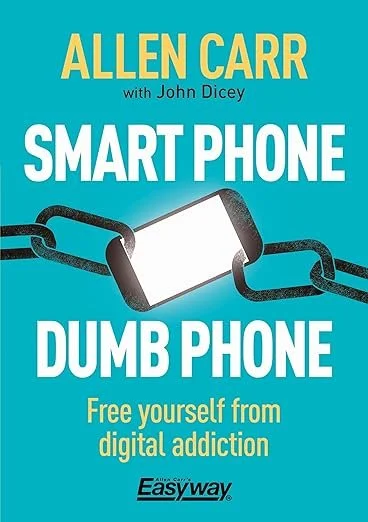
Smart Phone Dumb Phone: Free Yourself from Digital Addiction
by Allen Carr’s Easyway
Have you noticed how many people have developed a compulsion to keep referring to their phones? It's an addiction. When their phone is out of sight or the signal wavers, anxiety rises. You hear people saying again and again: 'I can't live without my phone,' and sadly technology which should be a wonderful boon to us has started to blight lives; the more you are addicted, the less you get out of it. Technology can turn against us if we let it.
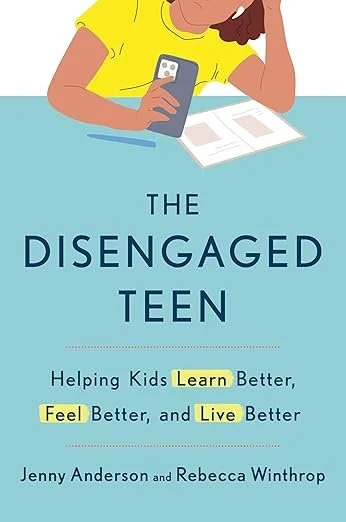
The Disengaged Teen: Helping Kids Learn Better, Feel Better, and Live Better
by Jenny Anderson and Rebecca Winthrop
For the past five years, award-winning journalist Jenny Anderson and the Brookings Institution’s global education expert Rebecca Winthrop have been investigating why so many children lose their love of learning in adolescence. Now, weaving extensive original research with real-world stories of kids who transformed their relationships with learning, they identify four modes of learning that students use to navigate through the shifting academic demands and social dynamics of middle and high school, shaping the internal narratives about their skills, potential, and identity:
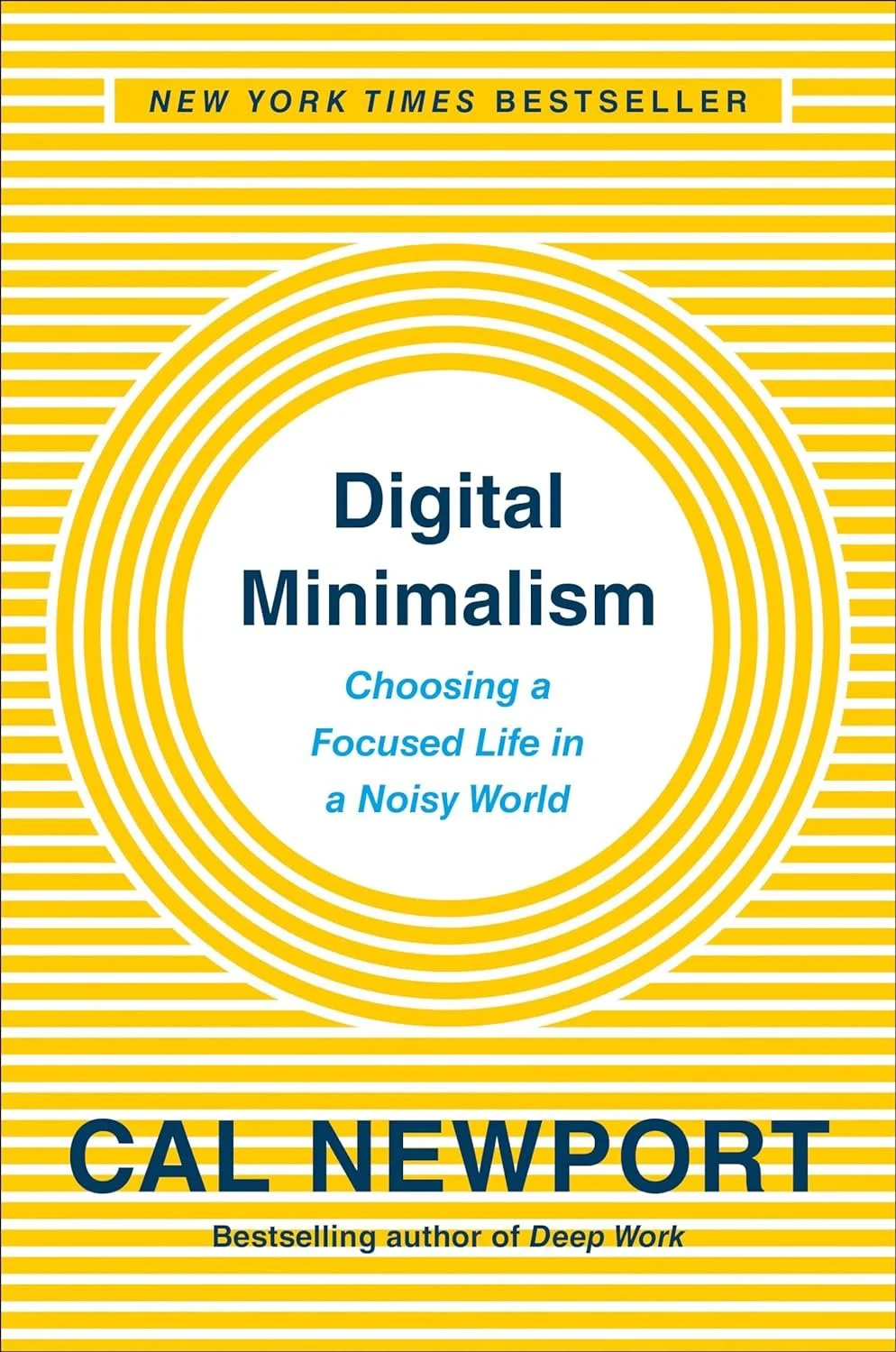
Digital Minimalism: Choosing a Focused Life in a Noisy World
by Cal Newport
Digital minimalists are all around us. They're the calm, happy people who can hold long conversations without furtive glances at their phones. They can get lost in a good book, a woodworking project, or a leisurely morning run. They can have fun with friends and family without the obsessive urge to document the experience. They stay informed about the news of the day, but don't feel overwhelmed by it. They don't experience "fear of missing out" because they already know which activities provide them meaning and satisfaction.